Make Healthier Choices With Organic Foods
For people looking to explore different options, an Organic Foods Online Shop can make it easier to discover organic grains, nuts, seeds, dried fruits, and other pantry staples. Choosing organic foods can also encourage you to pay closer attention to the ingredients you bring home. While organic certification does not automatically mean a food is more nutritious, many organic diets are built around minimally processed foods, which can support an overall balanced approach to eating.
Get More Nutrient-Rich Foods on Your Plate
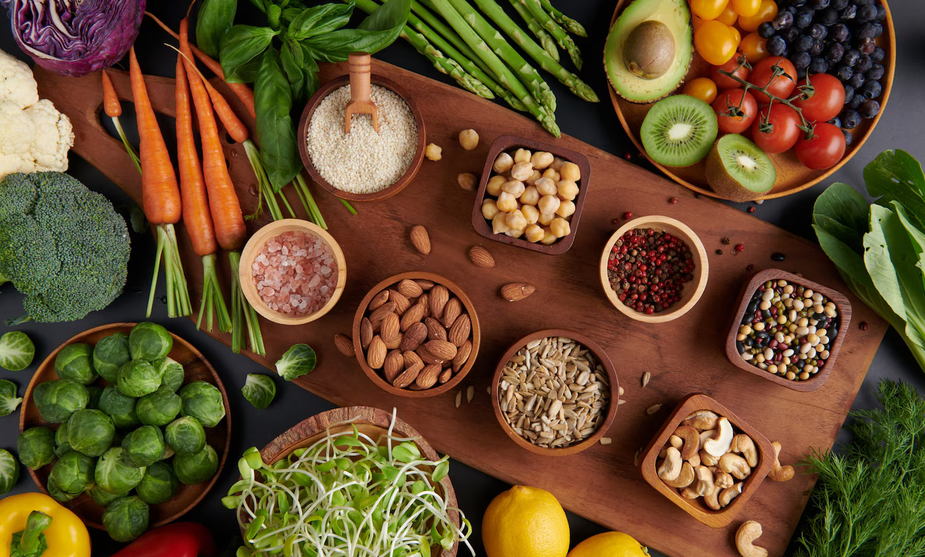
A healthy diet depends on getting a variety of nutrients from different foods. Organic fruits, vegetables, whole grains, nuts, and seeds can provide important vitamins, minerals, fiber, healthy fats, and other beneficial plant compounds. The nutritional value of any food depends on the specific food and how it is prepared, but adding a wider variety of plant-based choices can make meals more balanced and interesting.
Support Mindful Eating Habits
Choosing organic foods can also encourage a more thoughtful relationship with food. Reading labels, learning where ingredients come from, and paying attention to how foods are produced can make grocery shopping more intentional. This does not mean every item in your kitchen needs to be organic. Instead, it can be about understanding your choices and finding an eating pattern that works comfortably with your lifestyle and budget.
Enjoy More Whole Food Options
Whole foods can be a valuable part of a healthy diet because they often provide nutrients without relying heavily on added sugars, excess sodium, or extensive processing. Organic options are available across many whole food categories, including whole grains, legumes, nuts, seeds, fruits, and vegetables. Swapping some highly processed snacks for simple foods such as nuts, fresh fruit, or whole-grain options can be an easy way to improve everyday meals.
Increase Your Intake of Plant-Based Foods
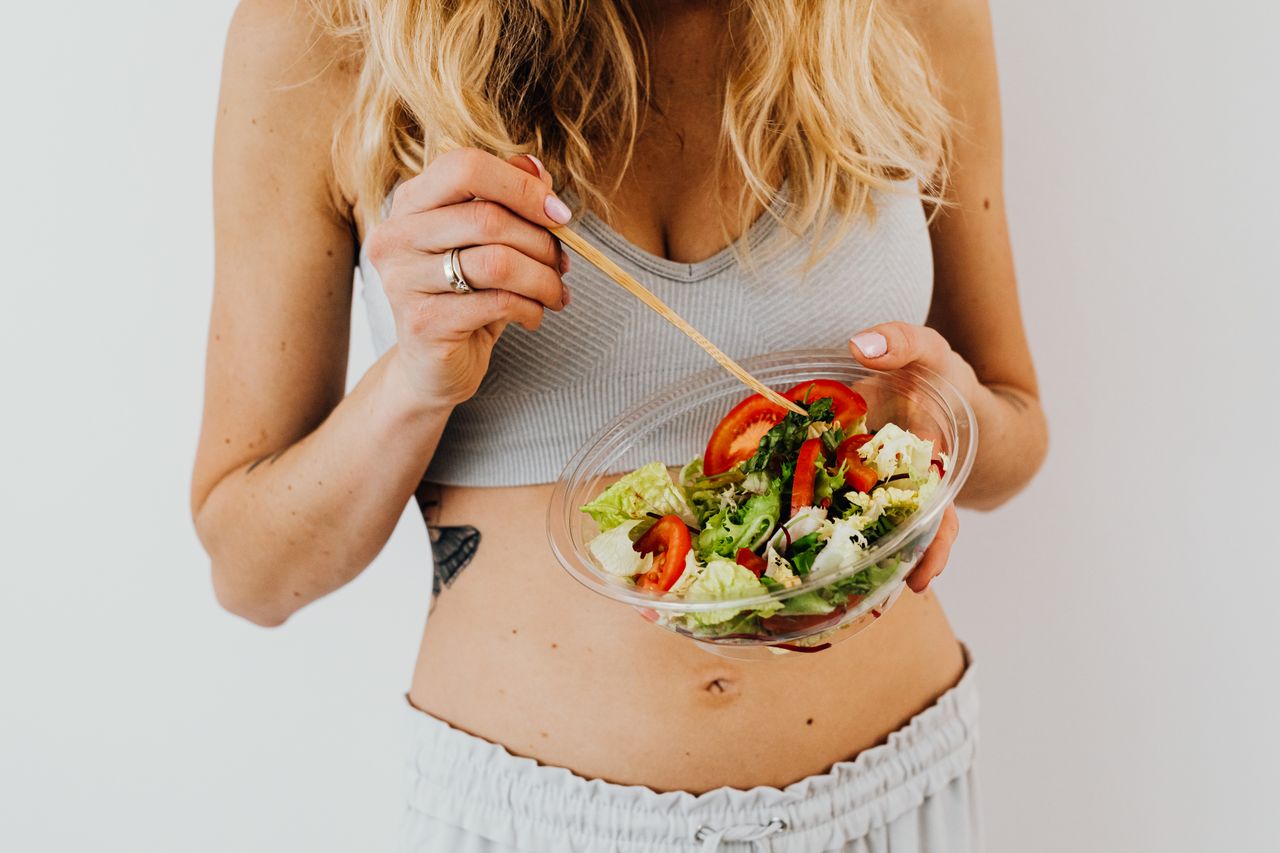
Many organic foods are plant-based, making them easy additions to meals that already include vegetables, fruits, grains, beans, and seeds. Eating a greater variety of plant foods can help you get more dietary fiber and a broader range of nutrients. Simple changes, such as adding organic oats to breakfast or organic beans to a salad, can make healthy eating feel practical rather than restrictive.
Make Organic Foods Part of a Balanced Diet
There is no need to approach organic foods as an all-or-nothing decision. Start with the foods you eat most often, then gradually introduce organic alternatives where they make sense for you. Combining organic foods with other nutritious choices, drinking enough water, staying active, and maintaining variety can contribute to a more balanced lifestyle. The goal is to build habits that are realistic enough to maintain over time.
Understand What Organic Really Means
It is also important to have realistic expectations about organic foods. Organic certification generally relates to how agricultural products are grown and produced under specific standards. It does not mean that every organic product is automatically healthier than its conventional equivalent, nor does it make processed foods nutritionally ideal. Looking at the complete nutritional profile of a food remains important, whether it carries an organic label or not.
Adding more organic foods to your diet can be a simple way to explore nutritious ingredients and develop more mindful eating habits. Focus on variety, whole foods, and balanced meals rather than perfection. With small, consistent changes, organic foods can comfortably become part of a healthy everyday lifestyle.
…More .... The Health Benefits of Adding More Organic Foods to Your Diet